Starting Over at 63: A Personal Journey of Rebuilding My Health, Purpose, and Life

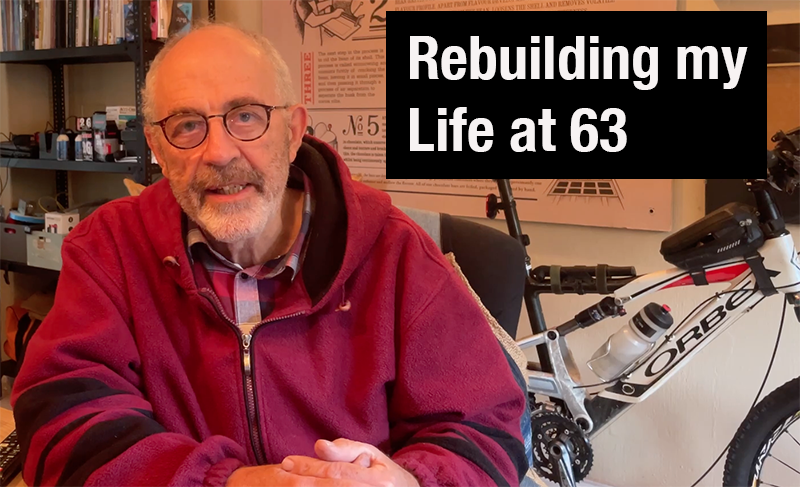
My name is Pieter de Villiers, and I’m 63 years old. At this ripe old age, I need to start over — rebuilding my life from scratch.
This is the result of a business that took me 14 years to build — from my garage — failing at the end of 2023. The last two years of that journey were especially stressful. We got hit with one event after another.
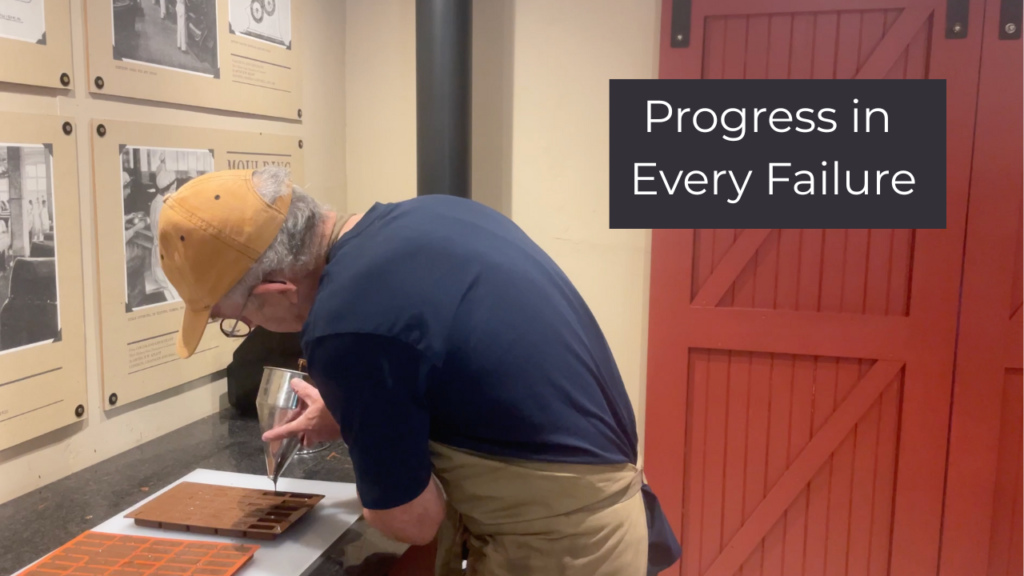
When I’m under stress, I eat. And being in a chocolate factory didn’t help. By the end of it all, I was overweight, my body was riddled with inflammation, and I battled to walk. Even though many of these setbacks weren’t of our doing, when you keep getting hit over and over, you start believing it’s your fault. I lost a lot of my confidence in the process.
So I found myself needing to rebuild — not just a new business to try and create a pension for myself and my wife, but also my physical and mental health.
About six months ago, I started this new journey.
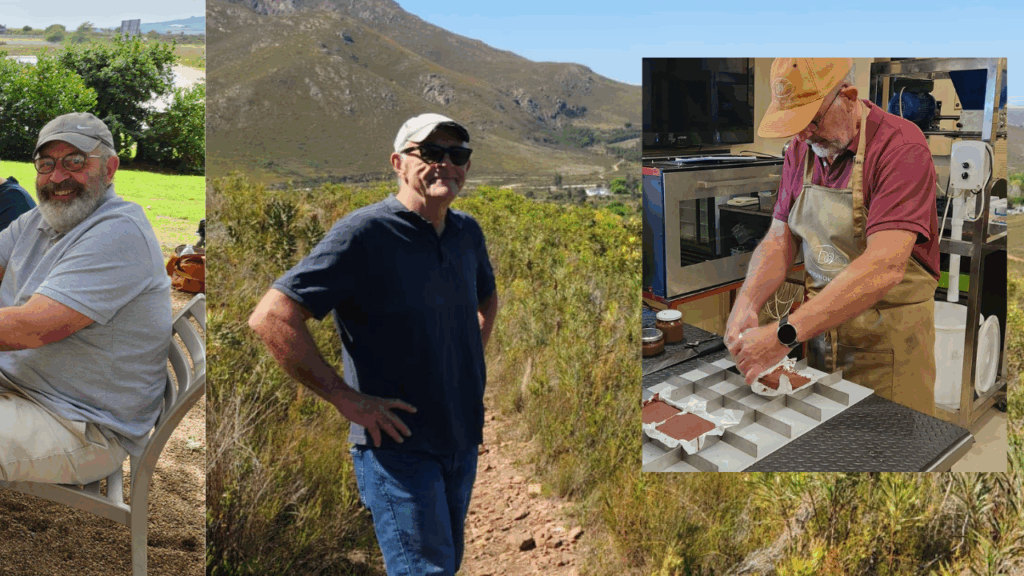
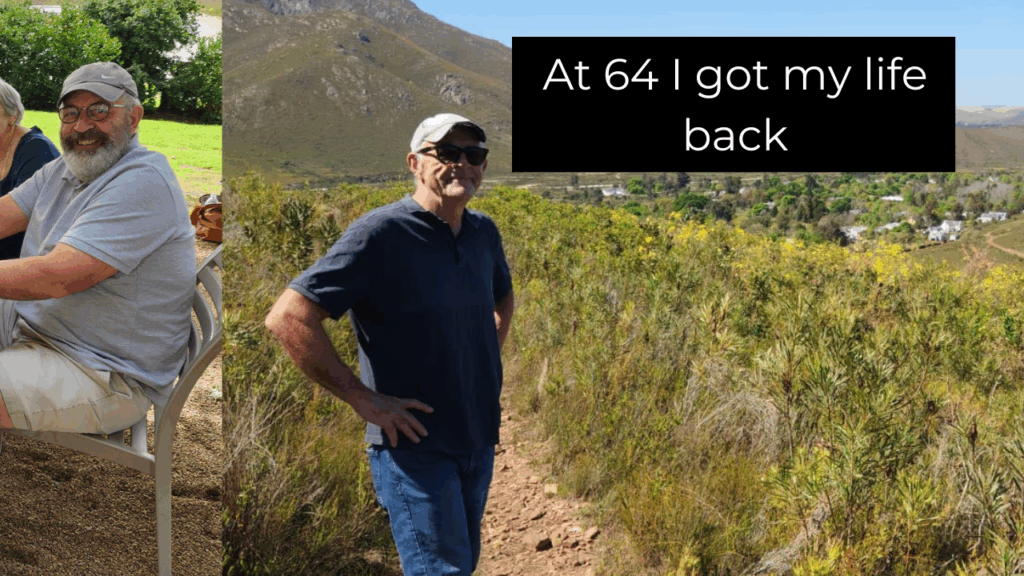
I began changing my diet and lifestyle, moving to more primal eating — reducing inflammation and regaining energy. I also got back on my mountain bike. It was tough in the beginning. I was unfit, sore, and slow. But I stuck with it, riding at least three times a week.
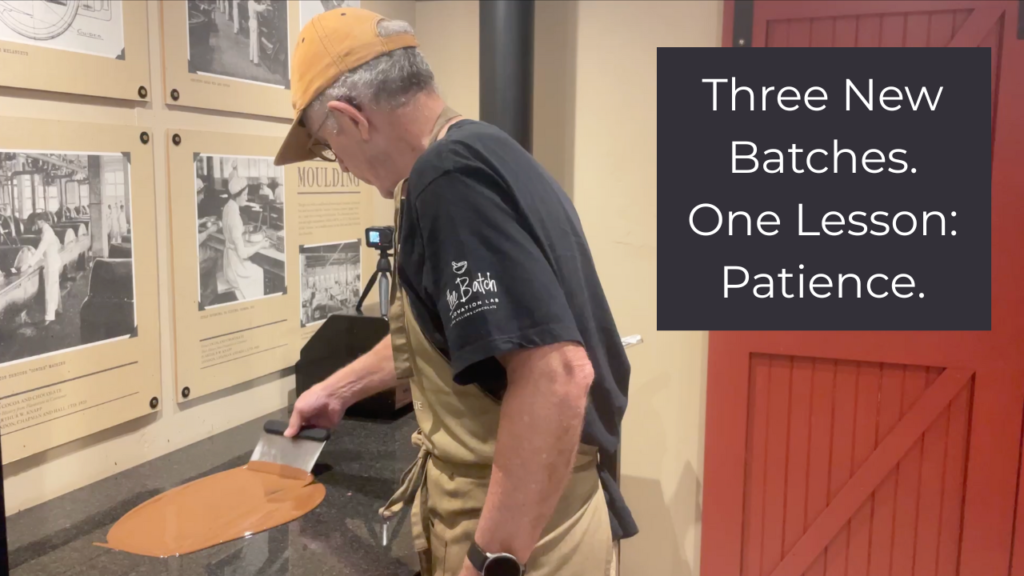
At the same time, I went back into my garage, pulled out the old machines that we had built years ago, and started bringing them back to life. These were the same machines that once helped us create a full bean-to-bar chocolate business — machines made from parts of old appliances like washing machines and kitchen ovens.
Now, I’m using them again to start developing a new product range. It’s very personal. Everything I create — nut butters, chocolate spreads, snacks — I test on myself first. The goal is to support fat-adapted endurance sports and a low-carb, high-fat (LCHF) lifestyle. I’m creating food that works for people like me — over 50, still active, and looking to improve health and energy.
Since starting this journey, I’ve lost 29 kilograms — just over 60 pounds. My goal is to lose 40, and I’m getting closer every day. Physically, I can now ride my bike for more than three hours and cover over 50 kilometers with ease. That’s a big change from when I could barely manage half an hour.
I’ve also had to rethink everything I knew about exercise. I used to believe that the more you train, the better you get — and that carbs were the only way to fuel endurance. But now I’ve had to learn how to train and perform while being fat-adapted. It’s a completely different mindset, and it’s helped me avoid the crashes and burnout I used to experience.
This journey hasn’t been just about health and product development. It’s also about rediscovering joy. One thing I really missed while running the business was time off — real breaks. For years, we worked seven days a week and even ran night shifts. So I decided to bring another old part of my life back: my 2005 Land Rover Defender.
I bought the Defender in 2006, and we used to go on camping trips with it as a family. I’m now rebuilding it into a camper so that Cornell and I can travel again — even just for short trips. It’s about reclaiming some freedom and fun.
And then, there’s this documenting the process on this site and on YouTube.
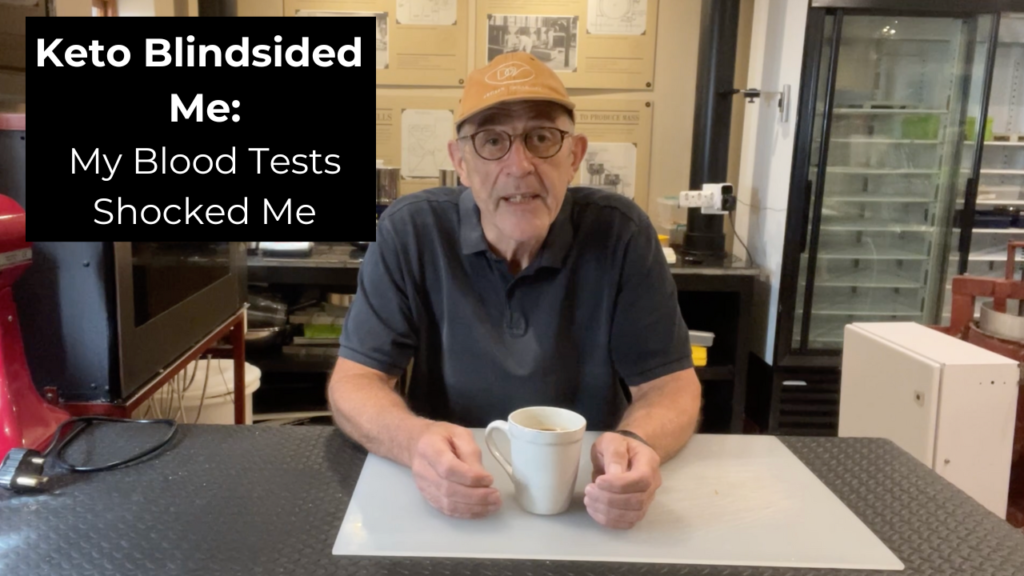
This might sound strange, but part of my healing process is learning to speak again — not just physically, but emotionally. I lost confidence during those difficult years, and writing about it and sitting in front of a camera is my way of getting some of it back. I’ve never liked being recorded. I didn’t even leave voice messages on WhatsApp. So this is quite a challenge for me.
But I’m here because I believe that documenting this journey — the setbacks, the rebuilding, the things I’m learning — might help others. And I know I’ll learn from others too. It’s a two-way street. I also hope that if I can build a product in collaboration with a like-minded community, we can make something far more valuable than anything I’ve done before.
Let me backtrack for a moment — because none of this makes sense without understanding what happened.
In February 2020, we took our first proper week off in years. I remember sitting in our garden with Cornell, telling her that I hoped this would be the beginning of more balance in our lives. We had built something amazing: a chocolate business that started in our garage, using repurposed household appliances — from where we’d even managed to supply national retail.
We’d begun at a Saturday food market, slowly building personal connections with customers. Then we moved to a beautiful old Cape Dutch homestead that we turned into a chocolate experience center — a place where people could see the process and taste our products. That space became the heart of our brand.
From there, we scaled into premium retail and expanded our cocoa sourcing. I traveled through Ghana and Uganda, building a supply chain with smallholder farmers. Those trips were some of the most rewarding experiences of my life — not just for the cocoa, but for the people and landscapes of Africa. It’s something I hope to do more of again.
We went even further. We opened 18 chocolate kiosks across the country with a retail partner. We brought on two great investors who stuck with us through everything. By early 2020, we had over 100 employees and were growing at over 30% per year. I thought it was time to start slowing down — at least a little.
Then COVID hit.
We lost over 65% of our business during the lockdowns. So much of our revenue came from tourism, experience centers, and kiosks — all of which shut down. But in the middle of it, something good happened. I spent lockdown in our kitchen developing new products. Two of them became successes, and one became our top seller.
That’s also when I started learning about no-added-sugar formulations, gut health, and natural sweeteners. That knowledge is now foundational to the new functional products I’m developing.
We pivoted to online sales, and for a while, it was going well — even better than retail. But then more disasters followed.
One container of cocoa beans arrived contaminated with iron — likely from being dried on a tarp with iron residue. It took three months to decontaminate. Our factory ran at less than 30% capacity.
Then another shipment was delayed due to floods and port strikes. We had to shut the factory for a full month. When we finally got going again, a power outage during roasting triggered a fire. We stopped it quickly, but fire extinguisher powder contaminated everything. We lost all our stock and had to deep clean.
Then came rolling blackouts — sometimes 11 hours a day. Although we had generators, our chocolate conches used too much power to run affordably. We had to shut down parts of the factory for most days.
Each time we started delivering to retail again, we’d have to pull back. It became embarrassing, and it hurt our relationships with buyers. The final blow came when cocoa prices skyrocketed — from $2,800 to over $12,000 per ton. We tried renegotiating pricing, but it wasn’t enough. We couldn’t keep going.
Shutting down the business was one of the hardest things I’ve ever had to do. Telling staff who stood by us, explaining it to investors who believed in us, and walking away from something we built like a child growing into adulthood — only to lose it — was devastating.
That’s the story that brought me here. And now, I’m rebuilding — not chasing scale, but pursuing purpose.
I’ll share updates regularly — about my health journey, the new products I’m developing and testing, the Land Rover rebuild, and the process of becoming fat-adapted again. I’m still experimenting and learning every day.
If any part of this journey resonates with you, I invite you to join me.
Let’s see where this second life can go.