
My Blood Results Scared Me — And What I Learned From It

Today I want to share something personal.
Something that surprised me.
And… something that scared me a little.
For the past year, I’ve been living low-carb and high-fat.
I changed how I eat…
I felt good…
And I started developing chocolate-nut products in my garage using coconut, tree-nuts, cocoa beans, and cocoa butter as my main fats.
I tested everything on myself.
And it honestly felt like the perfect combination.
I lost 37 kilos.
My inflammation dropped.
My energy came back.
My mood lifted.
My blood sugar stopped spiking and crashing.
I was cycling again — fitter than I’d been in 20 years.
So naturally I assumed everything inside my body must also be improving.
But then my latest blood results came back…
And they told a very different story.
Before I continue —
I’m not a doctor.
I’m not a scientist.
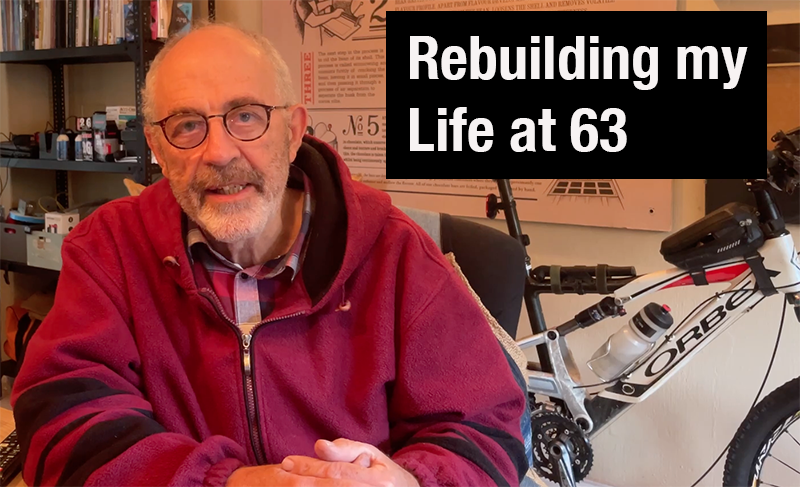
I’m just a guy in his 60s trying to rebuild his health after a tough few years.
Like many of you, I read everything I could.
I listened to podcasts.
I watched hours of YouTube.
I followed low-carb creators.
And I trusted the information I was hearing.
But here’s the truth:
Don’t believe everything you see or hear on social media, YouTube or even on platforms like ChatGPT.
Not everything applies to everyone.
And some things only show one side of the story.
So let me show you what actually happened to me.
My Blood Results Before vs After High-Fat Eating
Here are my numbers before going on the diet — already taking 10 mg statins per day:
- Total Cholesterol: 3.4
- LDL (“bad” cholesterol): 1.5
- HDL (“good” cholesterol): 1.4
- Triglycerides: 0.84
These numbers were excellent.
My LDL was low, my HDL was strong, and triglycerides were healthy.
This is the kind of profile doctors like to see.
Ten Months Later — After Eating High-Fat
(Same statin dose, but with much higher saturated fat intake)
- Total Cholesterol: 7.3
- LDL: 5.2
- HDL: 1.5
- Triglycerides: 0.74
- ApoB: 1.33
I felt incredible…
But these numbers shocked me.
What These Numbers Mean (In Simple English)
Here’s a brief explanation of each term, so the story makes sense:
1. Total Cholesterol
A simple sum of all cholesterol types.
Not the most important number on its own, but used as a general marker.
2. LDL (“Low-Density Lipoprotein”)
Often called the “bad cholesterol,” but technically LDL is not cholesterol — it’s a carrier that transports cholesterol.
The problem:
When LDL is high, especially in the form of many small particles, it increases long-term risk in many people.
My LDL more than tripled — this is the number that concerned my doctor the most.
3. HDL (“High-Density Lipoprotein”)
Called the “good cholesterol.”
HDL helps remove cholesterol from the bloodstream.
Mine stayed high — which is good — but it doesn’t cancel out very high LDL.
4. Triglycerides
This measures circulating fats.
Low numbers are good.
My triglycerides actually improved (0.74).
This normally indicates good metabolic health… but again, it didn’t change the LDL situation.
5. ApoB (“Apolipoprotein B”)
This is the most important marker because it measures the number of LDL particles, not just how much cholesterol they carry.
ApoB shows how many particles are floating around that can enter artery walls.
My ApoB was 1.33, which is considered high risk in someone my age.
In simple words:
- HDL and triglycerides looked great.
- But my LDL and ApoB climbed into a range that increases long-term risk.
Both truths can exist at the same time.
What My Doctor Explained
Some people react strongly when they eat a lot of saturated fat.
It doesn’t matter if the fat comes from animals or plants — coconut, cocoa butter, cheese, dairy, beef, or even “clean keto” foods.
Some people tolerate it well.
Some people don’t.
And the only way to know which one you are… is to test your blood.
Clearly, my body reacts badly.
My LDL tripled.
My ApoB went up.
And that means my body is not handling high saturated fat well.
Why I Didn’t Expect This
Most of what I’ve heard in the low-carb world was:
- “Saturated fat is healthy.”
- “Coconut is clean fuel.”
- “LDL doesn’t matter.”
- “If HDL is high and triglycerides are low, you’re safe.”
What I almost never heard was this:
Some people don’t respond well — and the only way to know is blood work.
I felt incredible.
But feeling incredible didn’t mean my long-term risk was improving.
Both things were true.
Now I Need to Think Seriously About My Next Step
1) My personal diet journey
For me, high saturated fat clearly doesn’t work — especially coconut and probably cocoa butter too.
So now I must choose a new direction:
Option 1:
Stay low-carb, but use fats like macadamia, olive oil, and avocado — low in saturated fats.
Option 2:
Move to a more balanced whole-food approach — still avoiding sugar, but not pushing fat intake so high.
Whatever I choose next must work for my body.
2) The Future of My Products
This is the painful part.
For almost a full year, I developed these chocolate-nut products every single day.
Tasting.
Adjusting.
Fixing texture.
Refining sweetness.
I believe we have nine products almost ready.
They taste amazing.
The texture is exactly what I wanted.
And I achieved everything I set out to create.
But these blood results mean I have to pause.
Because I promised myself:
If a product isn’t safe for me, or for everyone, I won’t move forward.
So now I need to look at the formulas again —
Remove coconut…
Lower saturated fats…
And see if I can keep the same flavour, texture, sweetness and nutritional benefits.
What I Wish I Knew Earlier
- Get baseline blood tests before changing your diet.
- Include ApoB.
- Test again after 3–6 months.
- Don’t rely only on how you feel.
- And please — don’t trust everything you see on YouTube or social media.
Your body may react very differently.
I’m not attacking any diet.
I’m not judging anyone’s choices.
I’m simply sharing what happened to me, so nobody else gets blindsided like I did.
I lost 37 kilos.
My inflammation dropped.
My blood sugar stabilised.
I feel incredible…
And at the same time —
My LDL and ApoB shot up.
Both sides are real.
If You Take One Thing Away From This
Let your blood results guide you.
Your health is worth more than any trend, label, diet tribe, or influencer advice.
Thanks for reading.