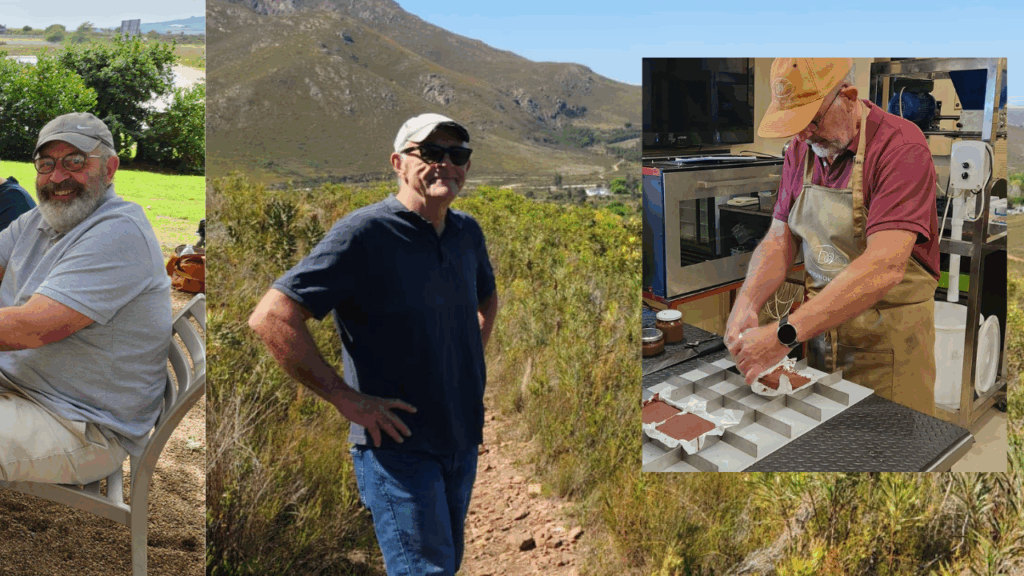
Inflammation — What I Discovered About the Pain That Wouldn’t Go Away

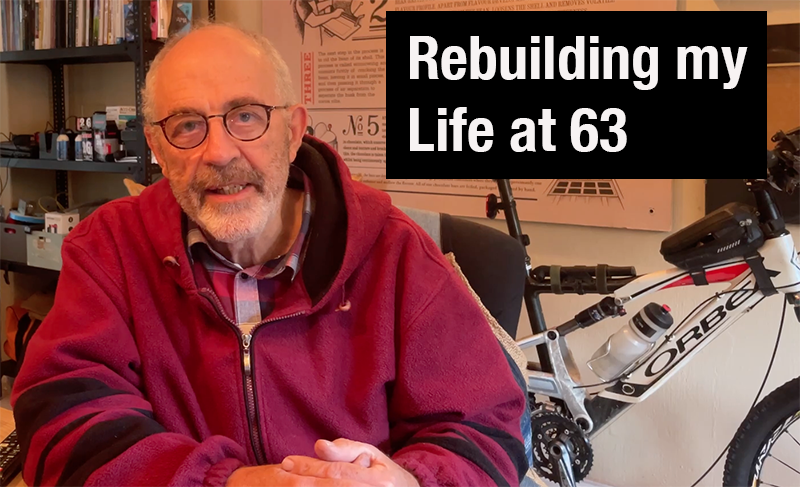
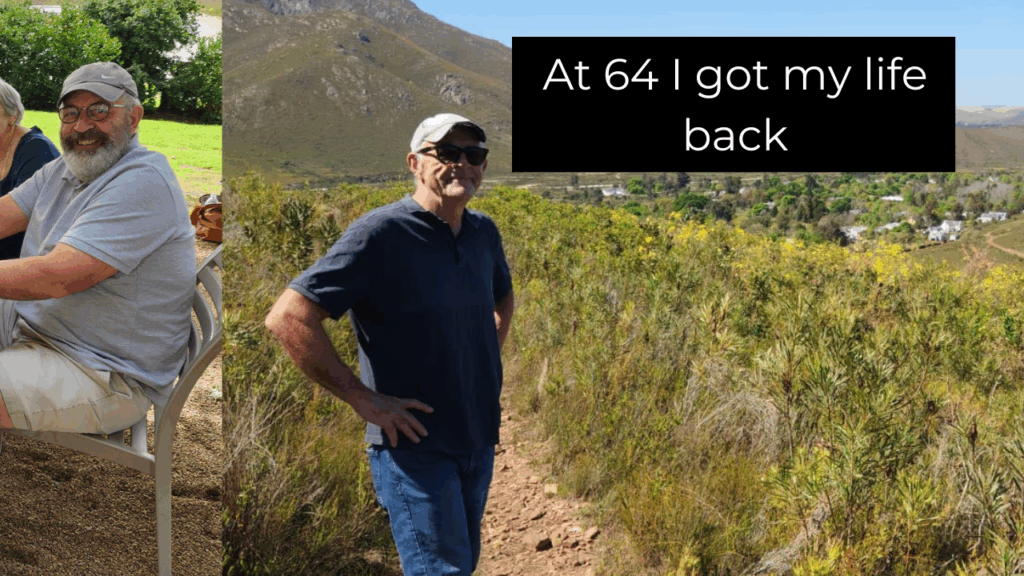
I’m not a doctor — I’m just an ordinary guy trying to get my life back.
For years, I lived with pain that just wouldn’t go away. It started in my knees and eventually affected how I walked, how I moved, and even how I felt about mysel
What made it worse was that I was starting a new business at sixty-three — one that meant being on my feet most of the day. The pain wasn’t just frustrating; it was frightening.
This series is about what I discovered.
It’s the honest story of how I learned to calm inflammation — not through medicine or miracle cures, but by changing how I lived, what I ate, and how I thought about food.
Each part shares one piece of that journey — from sugar addiction and stress, to balance, omega ratios, and even how I now apply it to the foods I make.
The Pain That Wouldn’t Go Away
It began with my knees. After two operations, the swelling never truly went away.
Simple things like getting up from a chair or walking across a room hurt.
Doctors prescribed anti-inflammatories. They worked — for a while.
But I started worrying about what they were doing to my stomach and kidneys, so I stopped.
That’s when I decided: instead of treating the pain, I needed to find what was causing it.
After months of reading, experimenting, and listening to my own body, I realised — it wasn’t just one thing. It was everything: how I lived, what I ate, and how I handled stress.
👉 Tomorrow: How sugar — the “sweet reward” — quietly kept the fire burning inside me.
Sugar — The Firestarter
I was hooked on sugar.
For years, I ran a chocolate and ice-cream business — it’s like being an alcoholic working in a distillery. Sugar was everywhere.
What I didn’t realise then was how constant sugar intake keeps insulin high and drives oxidative stress — a kind of “internal rusting” that triggers inflammation in joints, blood vessels, and even the brain.
When I finally cut sugar completely, it took about a month before I started feeling the difference.
My energy stabilised, my mood lifted, and the knee pain began to ease.
That was my first clue — I wasn’t just living with inflammation, I was feeding it.
Stress — The Silent Amplifier
Running a 24/7 business for 15 years meant no breaks, no vacations, and constant pressure.
For the last two years of that business, we were fighting just to survive.
My stress hormones were always on — and I didn’t realise how much damage that was doing.
Chronic stress keeps cortisol and adrenaline high, which stops the body from switching off the inflammation signal.
Even though I didn’t feel sick, I was in a permanent state of low-grade inflammation.
When I finally slowed down, slept better, and found some rhythm in my days, the pain began to ease.
It was one of the biggest lessons of all — inflammation doesn’t only come from what we eat. It comes from how we live.
Processed Foods and Cheap Oils — Hidden Triggers
For years, I ate whatever was quick — sandwiches, snacks, takeaways.
It filled me up but never nourished me.
Most of it was made with refined carbs and cheap seed oils — both major inflammation triggers.
These oils (like sunflower, corn, and soybean) are high in omega-6 fats. In small amounts, omega-6 is essential, but too much pushes your body toward inflammation — especially when omega-3s are missing.
When I switched to real food — olive oil, butter, avocado, nuts balanced with omega-3 seeds or fish — the stiffness in my joints eased within weeks.
Movement — The Natural Anti-Inflammatory
I used to think I was active because I was always on the factory floor.
But that’s not the same as real exercise that supports your body.
When I started walking and cycling again, something changed.
Movement didn’t make the pain worse — it helped the inflammation go down.
Exercise turned out to be one of the best natural anti-inflammatories out there.
It reduced stiffness, improved my sleep, and even helped regulate my mood.
My body started to feel like it wanted to move again, not just endure the day.
Alcohol — The Hidden Inflammation Trigger
When I went on the keto diet in January, I stopped drinking completely — not for moral reasons, but because I wanted a clean start.
What I didn’t know was how much alcohol adds to inflammation by stressing the liver, irritating the gut lining, and creating oxidative stress — the same kind of internal “rust” that sugar causes.
Once I stopped drinking, I slept deeper and woke clearer.
My recovery improved — and I believe it helped the inflammation drop much faster.
The Sugar-Free Trap
After cutting sugar, I looked for “healthy” replacements — the ones that promised sweetness without the damage.
But most of them were loaded with sugar alcohols (like maltitol or xylitol) or artificial sweeteners (like sucralose or aspartame).
On the label, they look harmless — “low carb,” “no sugar,” “keto-friendly.”
But sugar alcohols are often poorly absorbed, so they ferment in the gut, causing bloating and irritation.
Some artificial sweeteners can disrupt the gut microbiome — and when your gut’s irritated, the rest of the body follows.
Since 70% of the immune system lives in the gut, that irritation can quietly turn into body-wide inflammation.
That’s when I stopped chasing “sugar-free” and started focusing on balance — using only natural sweeteners like monk fruit or stevia, in small amounts.
Balance, Diets, and Omega Ratios — The Real Answer
Over time, I realised that no single diet has all the answers.
You can be on keto, vegan, primal, or Mediterranean — and still struggle with inflammation.
It’s not about the label; it’s about balance.
Most diets ignore the fat ratio — too much omega-6, too little omega-3.
Omega-6 and omega-3 fats share the same pathways in the body.
When omega-6 dominates, it blocks omega-3’s anti-inflammatory benefits.
Even healthy foods like nuts can make things worse if eaten in excess without balance.
That’s why I started pairing nuts with chia, flax, or oily fish to restore equilibrium.
Keto helped with insulin, Mediterranean helped with balance, and what I found best was combining principles — low-carb, clean fats, and natural fibre.
The real lesson?
Inflammation calms down when the body finds balance, not when it follows a label.
From Pain to Purpose — How It Shapes My Work Today
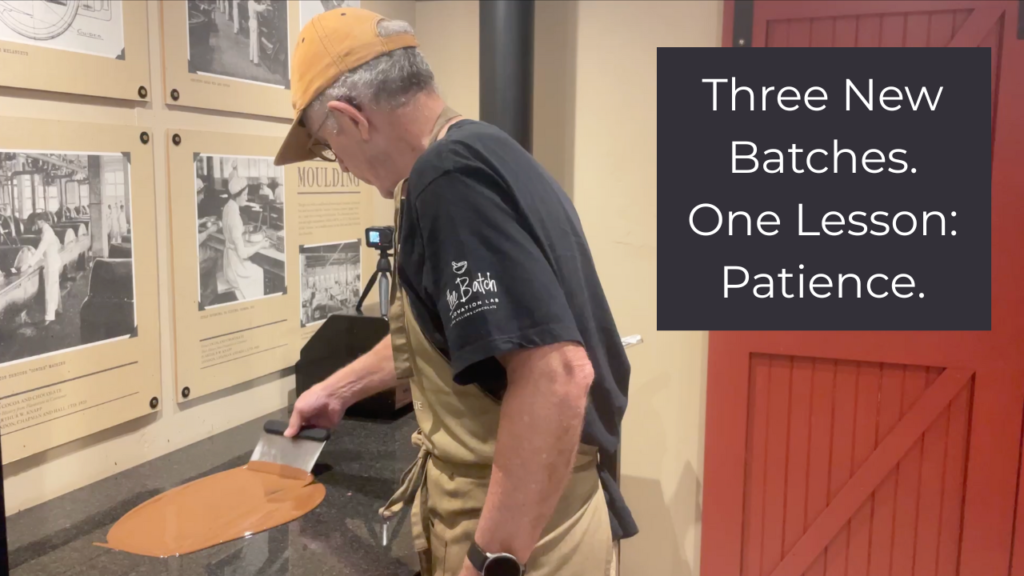
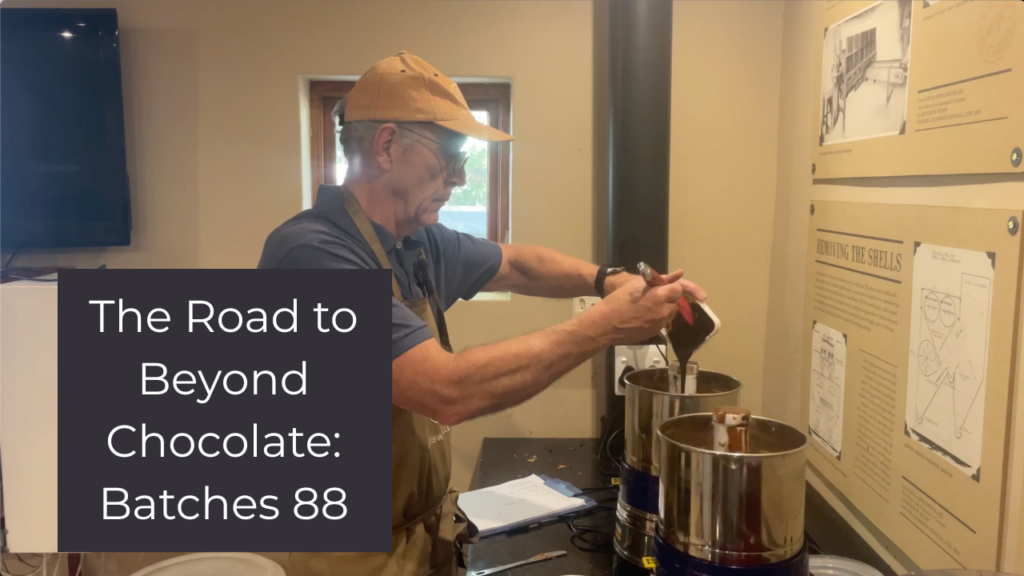
Everything I’ve learned about inflammation now shapes what I do every day — right here in my small garage factory.
I’m creating great-tasting chocolate, nut butters, and other products that are aligned with what I’ve discovered about supporting inflammation control and long-term health.
Every product has to fight inflammation, not feed it.
That means:
- No sugar.
- No sugar alcohols or artificial sweeteners.
- Low-carb, nutrient-dense ingredients that stabilise blood sugar.
- Balanced fats (omega-6 and omega-3) to calm inflammation.
- Natural prebiotic fibre for gut health — where most inflammation control begins.
Food should make you feel better, not worse.
And that’s what I’m building toward — products that don’t just taste good, but help your body repair itself.Inflammation takes time to build up — and time to go away.
But when it does, you feel it everywhere: in your energy, mood, focus, and joints.
It’s like a quiet fire inside you finally going out.